




Not yet
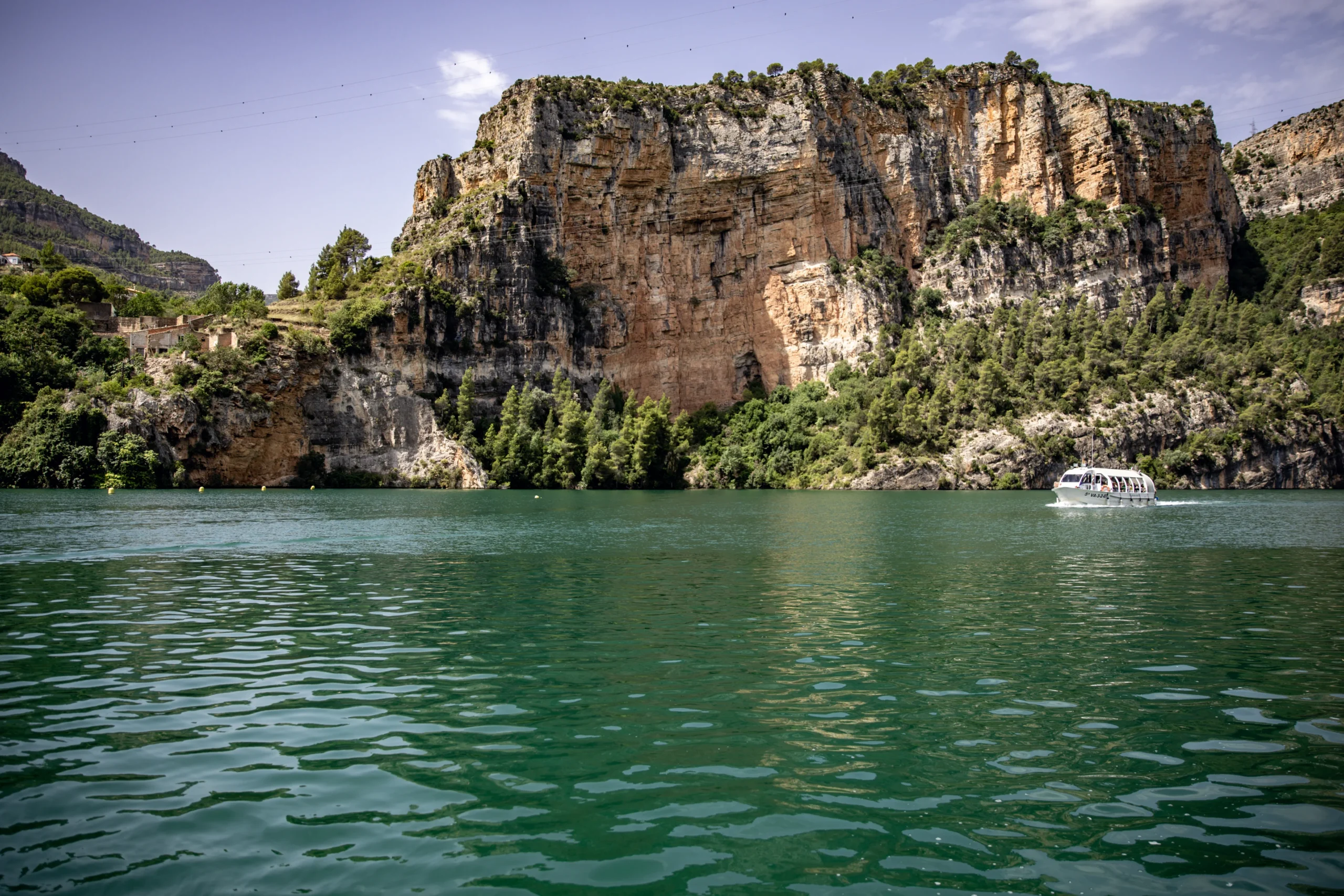
There is a canyon in the interior of Valencia that the Júcar took thousands of years to carve.
From above you cannot see anything. No road reaches it. No path goes down to it.
It only exists if you enter by water.
The river
The cleanest water in Europe.
The Júcar rises in Tragacete, in Cuenca, at an altitude of 1,700 metres. From there it flows down hemmed in by limestone rock that filters the water for hundreds of kilometres. No road crosses it. No access pollutes it.
The result is a green river. Not because of the riverbed, but because of what lives in it: phytoplankton carries out photosynthesis and tints the water emerald. It only happens in extraordinarily clean rivers.
The history
In 1609 this valley was emptied overnight.
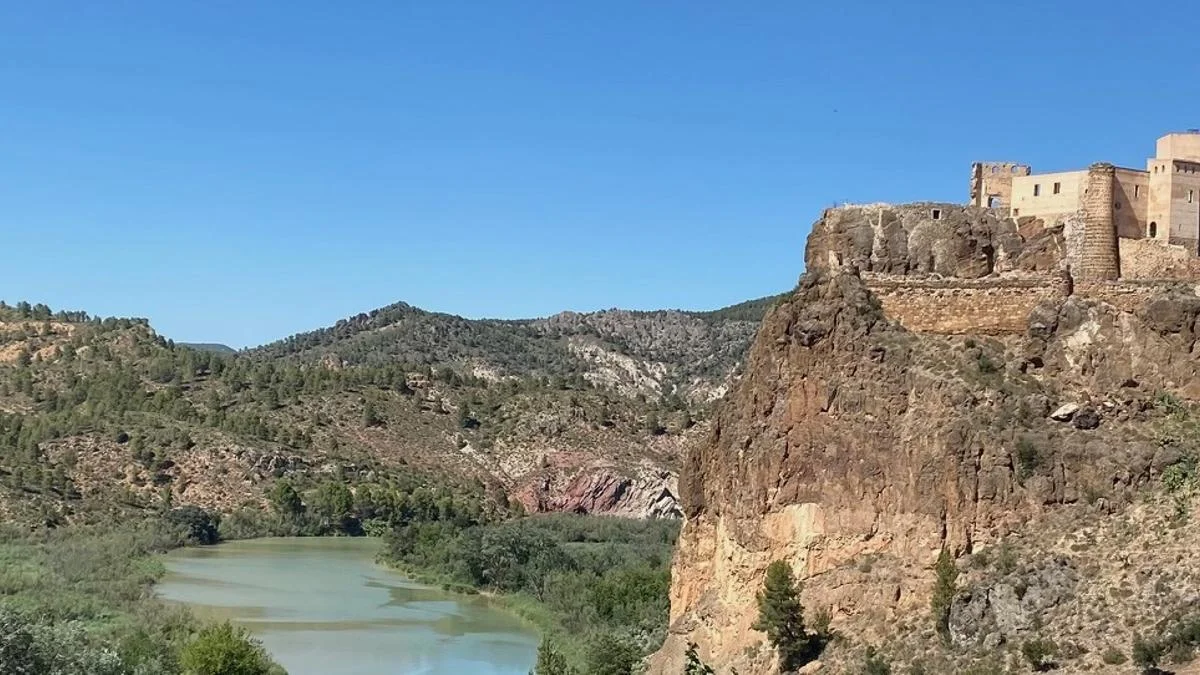
Philip III signed the edict of expulsion of the Moriscos. Thousands of families were taken to the coast and expelled to North Africa. They left behind houses, fields, irrigation channels and mills.
Their traces are still here. In the caves of the canyons. In the wells they left. In the stories the river kept.
Nobody has claimed them yet. We tell them.
The wildlife
What no longer exists elsewhere lives here.
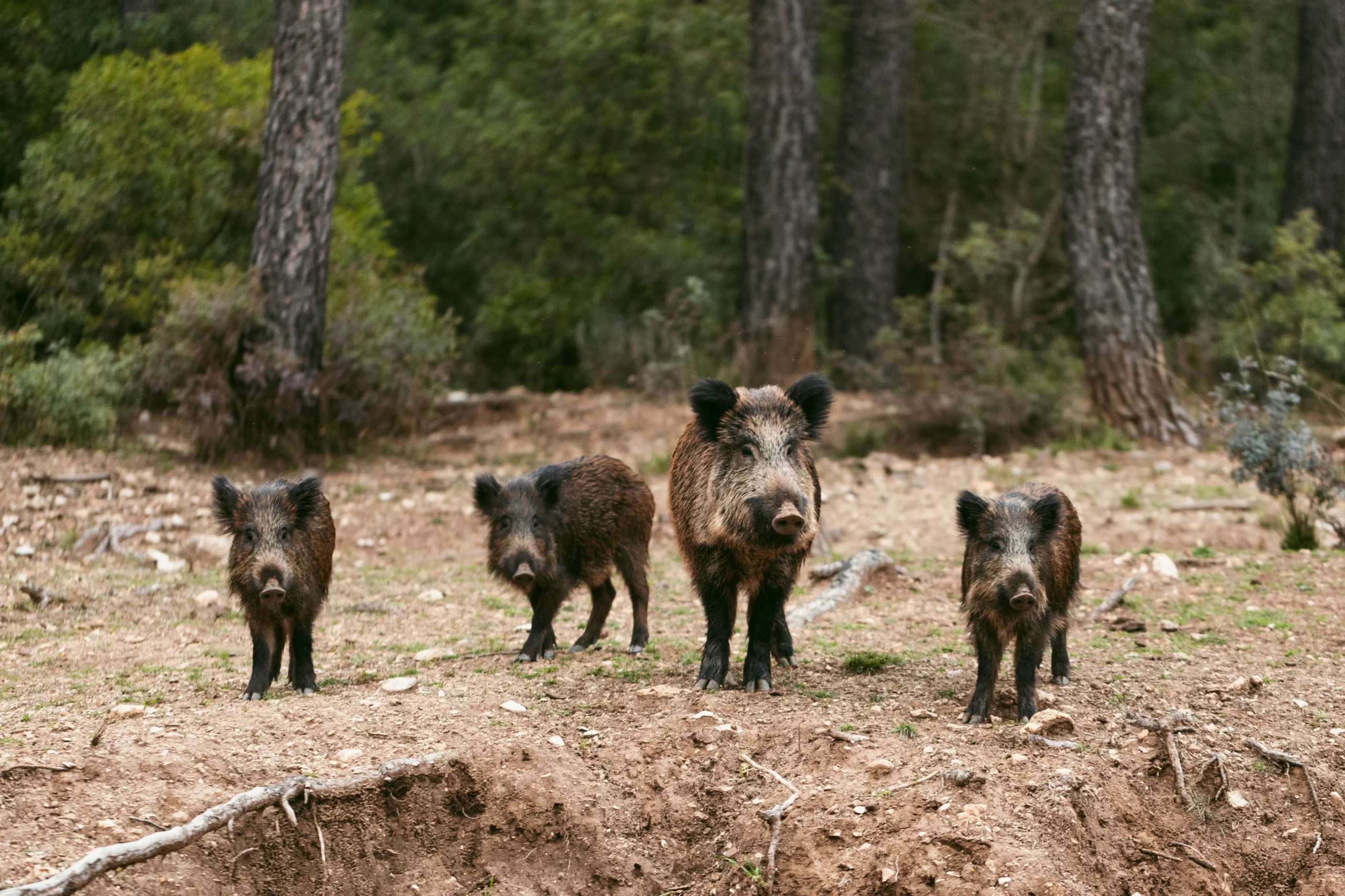
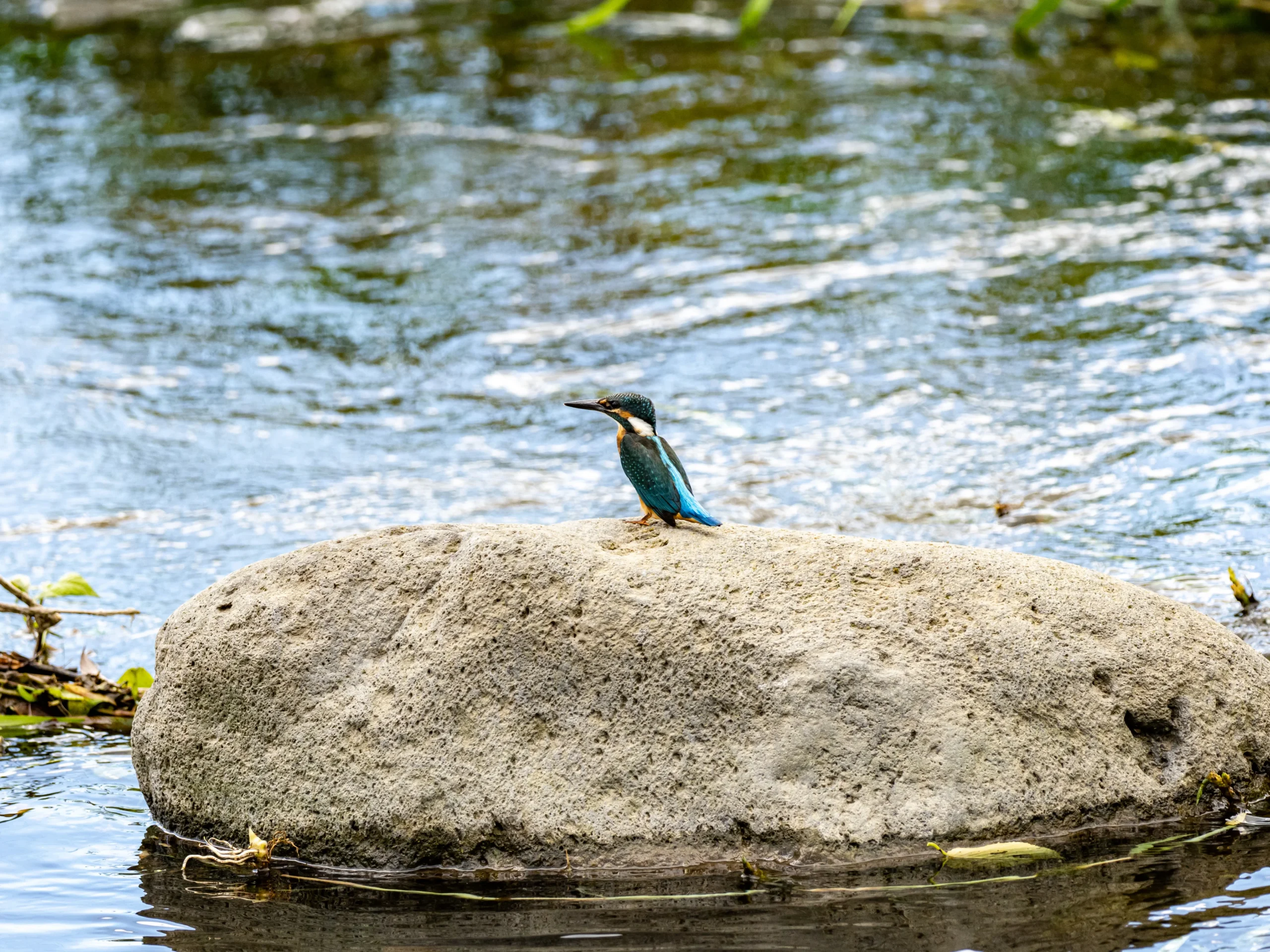
Golden eagles. Deer. Wild boar with their young crossing the river. Kingfishers. Herons. Snakes that hunt in the water while the boat goes by.
It is not a reserve. There is no sighting schedule. It is the river, being a river.
The silence
Birds, water, rock. The wind among the canyons. The sound of something that has been here for centuries and does not know that almost nobody listens to it.
Your privacy settings
Manage Consent Preferences
Necessary
Analytics
Embedded Videos
Google Fonts
Marketing
Facebook Advanced Matching
Facebook CAPI